
Colorectal cancer is one of the most common cancers worldwide, and one of the most preventable. This piece breaks…
27 June 2026
Learn & Grow at Your Own Pace
Whether you’re new to nutrition and yoga or already on your journey, I’m here to guide you with a flexible, science-based approach. My mission is to create an inclusive space where everyone, no matter their background, can learn, grow, and make sustainable choices for their health and the planet.
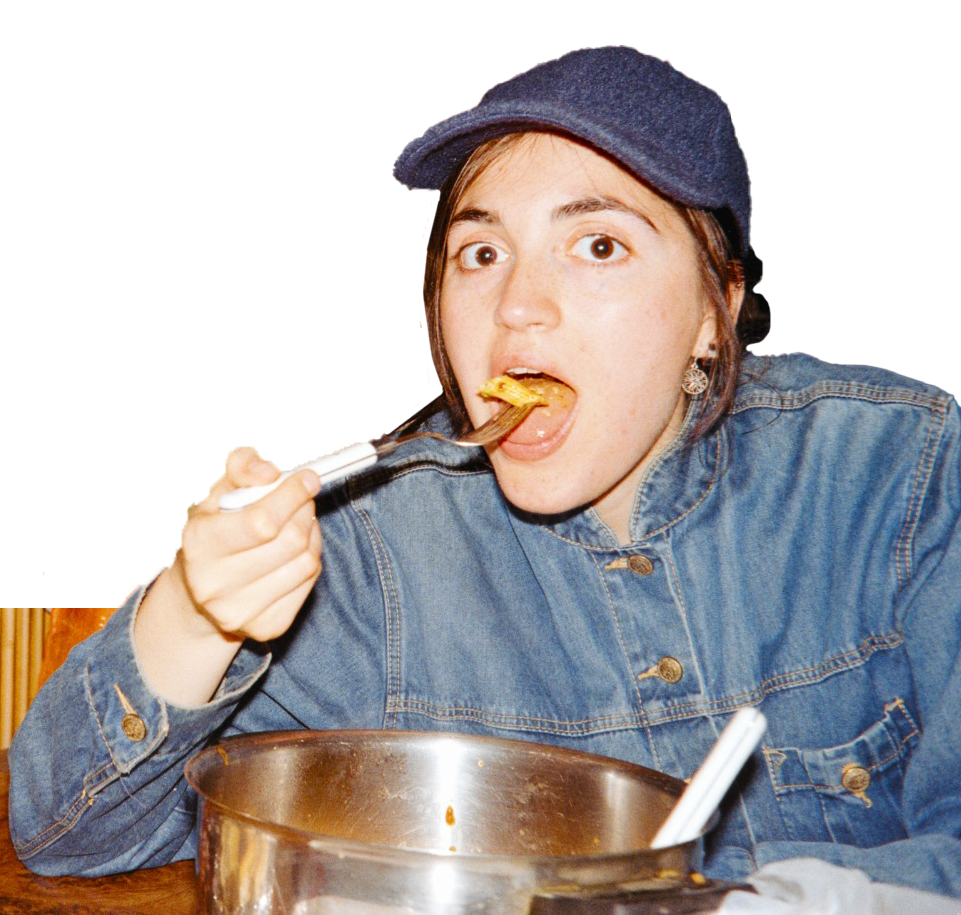
My name is Leila Palmier. I’m a dietitian, food developer, yoga teacher, and lover of gooood food. Currently also deep in a master’s in nutritional epidemiology and public health, because apparently loving food wasn’t enough, I also needed to know exactly why a Mediterranean diet shows up in every study ever conducted.
I was born in the Netherlands, half Tunisian, and spent my youth bouncing between the two, plus a fair bit of the rest of Europe. As an adult I kept going: South Africa, Canada, Ghana, India, a few times over, actually, since that’s where I did my yoga trainings and a few cooking courses. These days I live in Switzerland, where I cook, teach, study, and am still very much losing the battle against Swiss German.
Around 2017, I went fully plant-based. Not overnight, not perfectly, just one change at a time until it became who I am. That’s the same approach I bring to everyone I work with: realistic, flexible, no judgment. Healthy living shouldn’t be one more thing you have to be perfect at.
Nutrition and yoga aren’t two separate things I do; they’re two lenses on the same question. Food alone is only half the picture. How we move, breathe, and relate to our bodies shapes everything else.
I studied to be a dietitian, because I wanted to understand food properly, not the diet-culture version, the real science. But working in nutrition, I kept running into the same wall: the food system itself makes “just eat healthy” a lot harder than it sounds. That’s not anyone’s fault. It’s just how the system is built. Working as a food developer showed me that from the inside, and it’s shaped everything I do since.
I’m less interested in telling people what to eat, and more interested in helping them navigate a system that doesn’t make it easy.
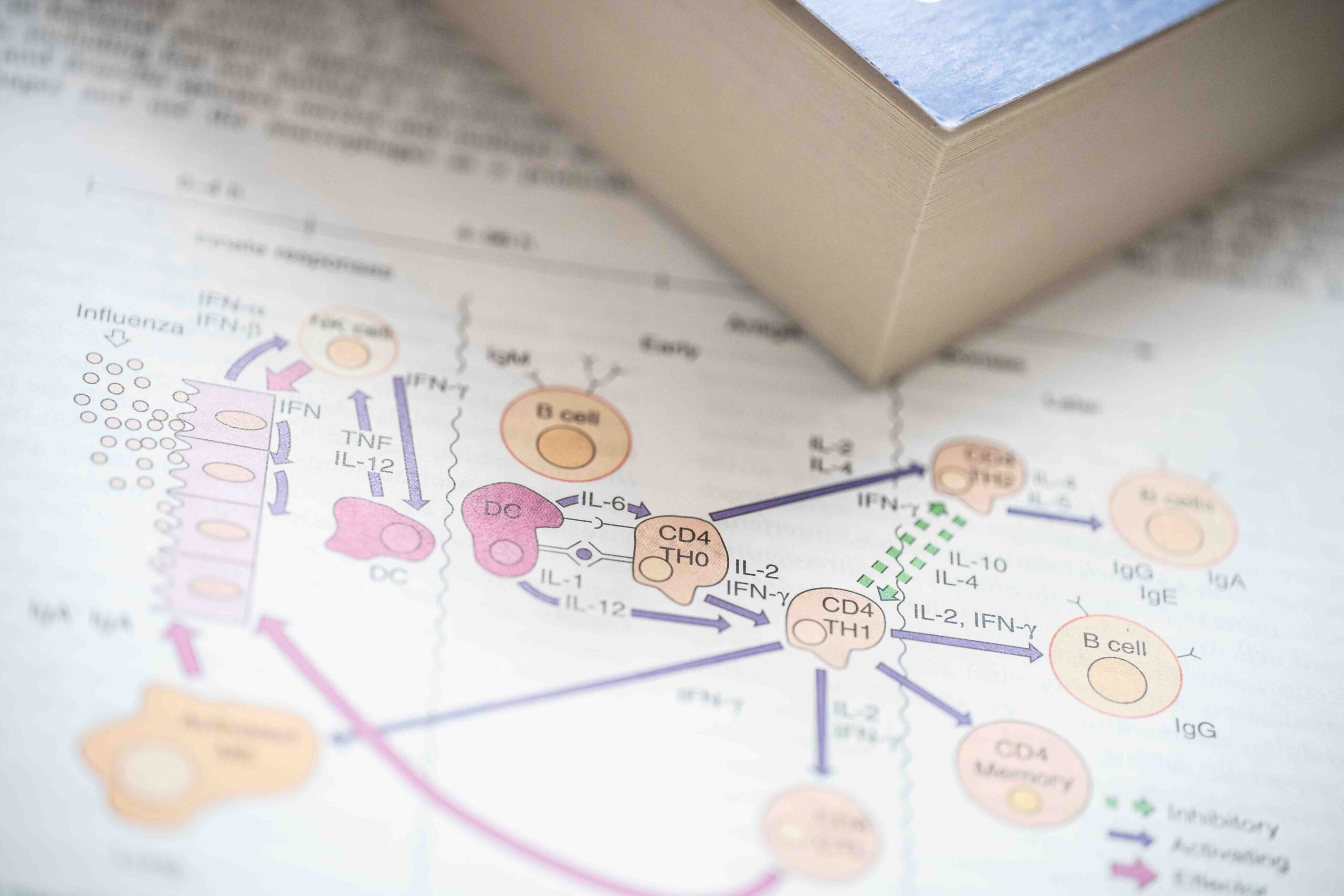
Nutrition can tell you what to eat. It can’t tell you why you’re eating the way you are, why you’re stressed, or why “eating better” keeps falling apart when life gets busy.
That’s where yoga comes in, as the missing part to create a holistic system. Food is the input; movement and breath are how you actually process and regulate everything around it. You can’t optimise one without paying attention to the other. I think that’s why so much nutrition advice doesn’t stick. It treats the body like a machine you feed, instead of a whole system you live inside of.

Before nutrition, I studied in Film & Photography, my other long term hobby. It’s why I ended up on YouTube, making nutrition videos trying to explain the nuance in this world full of extremities. Because it’s simple, but it also isn’t that simple. I hope to help people zoom out from the details (of nutrition, health, life) to look at the big picture.
(Also, yes, I am slightly obsessed with food macro photography. That’s why every photo on this site looks like it’s about to get way too close to your face.)
A whole food, plant-based diet is rich in nutrients that support long-term health and lower risks of heart disease, diabetes, and most common cancers. I focus on practical, sustainable ways to help you add more plants to your meals at your own pace for better now and a better future.
Every plant-based choice you make helps protect forests, wildlife, and clean air and water, so we can leave a healthier planet for ourselves and future generations
Choosing plant-based nutrition helps reduce the demand for animal farming, which is often linked to stress, trauma, and harm for animals. This choice also supports better conditions for workers in the meat industry, who face unsafe and traumatic working environments. Small shifts in our diet can lead to a more ethical and just world.

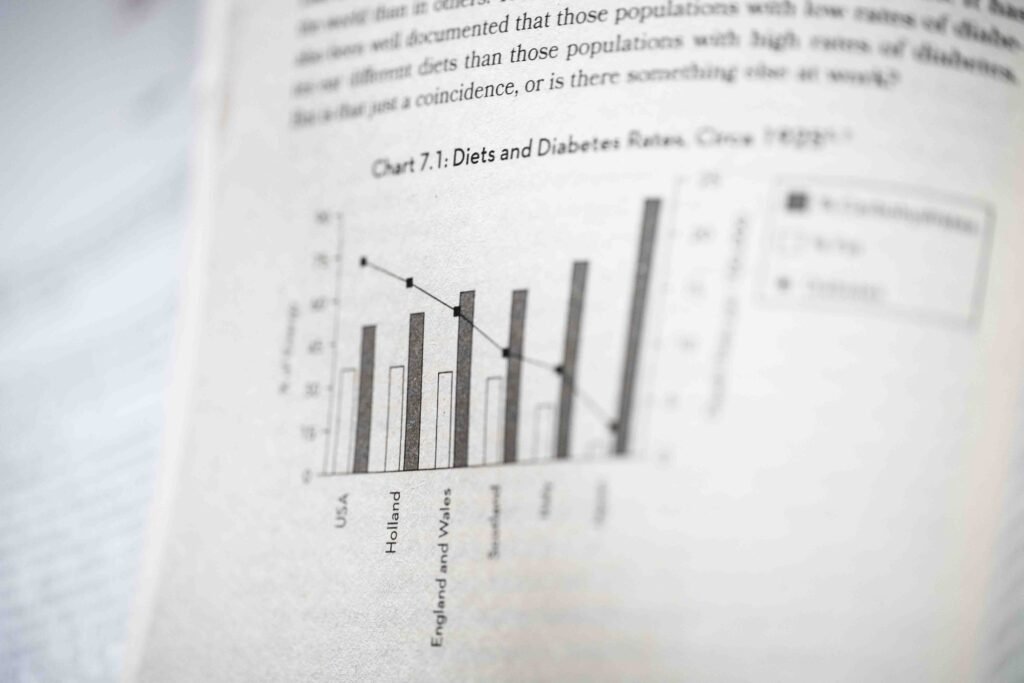
To be real with you, if you make it past childhood, you’re statistically most likely to die from something largely preventable. The WHO reports that noncommunicable diseases, heart disease, cancer, respiratory disease, and diabetes, account for 75% of all non-pandemic deaths worldwide, and unhealthy diet is one of the handful of risk factors WHO names as driving that number. For most people, diet matters more than genetics or luck ever will.
Diet doesn’t only shape how long you live, it shapes how well you live along the way. Plants don’t just give you more energy, make you sleep better, improve your skin quality, they can do even more for you. For example, in a randomised controlled trial, people with moderate-to-severe depression who switched to a diet higher in plants and fibre showed significantly greater improvement than those given standard support, with nearly a third going into remission entirely. For IBS, one of the most common and disruptive gut conditions, dietary change is the recommended first-line treatment, before medication is even considered.
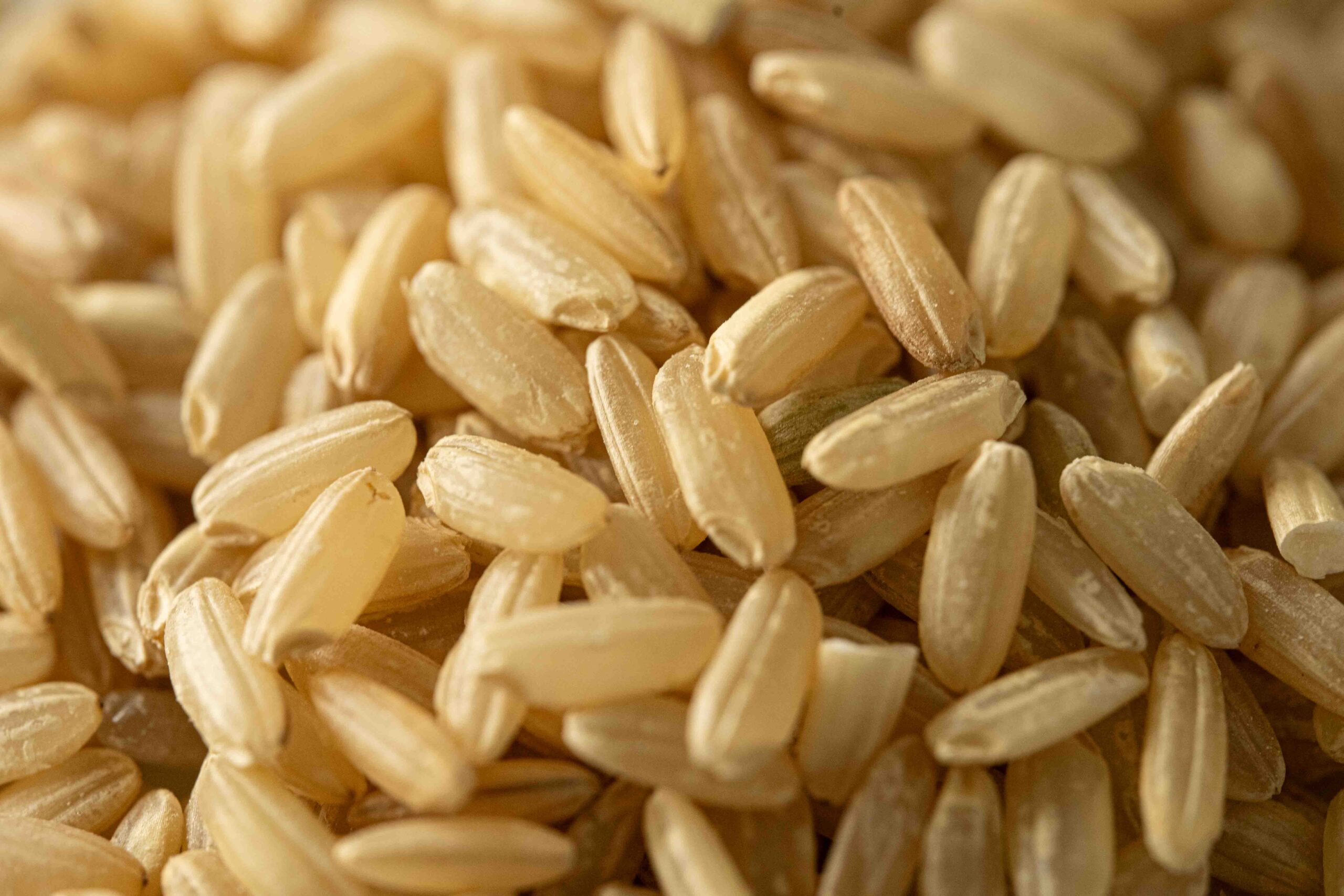
There’s a lot of cultural focus on protein, but the real gap in most people’s diets is fibre. Only around 5% of men and 9% of women meet their daily fibre target, while most people, vegetarians and vegans included, already meet their protein needs without trying. This matters: a Lancet meta-analysis covering 135 million person-years of data found that people eating the most fibre had 15–30% lower rates of heart disease, stroke, type 2 diabetes, and colorectal cancer than those eating the least.
A whole-food, plant-based diet brings more than fibre to the table too: antioxidants, and a wider spread of vitamins and minerals than most diets manage by accident. Nutrition is of course nuanced, but the broader pattern holds up well in the research: plant-forward eating is consistently linked to better outcomes across the board, confirmed by a Harvard T.H. Chan School of Public Health meta-analysis of nearly 3.8 million people and echoed in WHO’s own guidance on healthy diets.

I’m not here to convert anyone to anything. A carnivore eating one more piece of broccoli today so they can finally poop is a win. A vegetarian swapping dairy for oat milk because their gut has been begging them to for years, also a win. “More plant-based” scales to wherever you’re starting from, which is exactly the point. Perfection isn’t the goal. Direction is.
Because realistically, telling someone to go from steak-every-night to fully plant-based overnight doesn’t create a healthier person. It creates someone who lasts three weeks and then never wants to look at a lentil again. Sustainable beats extreme, every time.
So no judgment here, ever. If animal products stay part of your life for health reasons, culture, budget, or just because you really love a good cheese, that’s your call to make, not mine to override. My job isn’t handing out a “perfect” diet. It’s helping you shift the ratio a little further toward plants, in a way you’ll actually keep doing next year, not just next week.
If you want to go deeper into the research in a more entertaining way, How Not to Die by Dr. Michael Greger and The Omnivore’s Dilemma by Michael Pollan are both great starting points, though I’d read them as compelling arguments rather than settled science; nutrition research is messier and more contested than either book lets on. Both the evidence and the uncertainty are worth taking seriously.
To be real with you, if you make it past childhood, you’re statistically most likely to die from something largely preventable. The WHO reports that noncommunicable diseases, heart disease, cancer, respiratory disease, and diabetes, account for 75% of all non-pandemic deaths worldwide, and unhealthy diet is one of the handful of risk factors WHO names as driving that number. For most people, diet matters more than genetics or luck ever will.
Diet doesn’t only shape how long you live, it shapes how well you live along the way. Plants don’t just give you more energy, make you sleep better, improve your skin quality, they can do even more for you. For example, in a randomised controlled trial, people with moderate-to-severe depression who switched to a diet higher in plants and fibre showed significantly greater improvement than those given standard support, with nearly a third going into remission entirely. For IBS, one of the most common and disruptive gut conditions, dietary change is the recommended first-line treatment, before medication is even considered.
There’s a lot of cultural focus on protein, but the real gap in most people’s diets is fibre. Only around 5% of men and 9% of women meet their daily fibre target, while most people, vegetarians and vegans included, already meet their protein needs without trying. This matters: a Lancet meta-analysis covering 135 million person-years of data found that people eating the most fibre had 15–30% lower rates of heart disease, stroke, type 2 diabetes, and colorectal cancer than those eating the least.
A whole-food, plant-based diet brings more than fibre to the table too: antioxidants, and a wider spread of vitamins and minerals than most diets manage by accident. Nutrition is of course nuanced, but the broader pattern holds up well in the research: plant-forward eating is consistently linked to better outcomes across the board, confirmed by a Harvard T.H. Chan School of Public Health meta-analysis of nearly 3.8 million people and echoed in WHO’s own guidance on healthy diets.
I’m not here to convert anyone to anything. A carnivore eating one more piece of broccoli today so they can finally poop is a win. A vegetarian swapping dairy for oat milk because their gut has been begging them to for years, also a win. “More plant-based” scales to wherever you’re starting from, which is exactly the point. Perfection isn’t the goal. Direction is.
Because realistically, telling someone to go from steak-every-night to fully plant-based overnight doesn’t create a healthier person. It creates someone who lasts three weeks and then never wants to look at a lentil again. Sustainable beats extreme, every time.
So no judgment here, ever. If animal products stay part of your life for health reasons, culture, budget, or just because you really love a good cheese, that’s your call to make, not mine to override. My job isn’t handing out a “perfect” diet. It’s helping you shift the ratio a little further toward plants, in a way you’ll actually keep doing next year, not just next week.
If you want to go deeper into the research in a more entertaining way, How Not to Die by Dr. Michael Greger and The Omnivore’s Dilemma by Michael Pollan are both great starting points, though I’d read them as compelling arguments rather than settled science; nutrition research is messier and more contested than either book lets on. Both the evidence and the uncertainty are worth taking seriously.
Choosing more plant-based meals also touches something less talked about: the systems those animals, and the wildlife around them, are part of.
It's not only about the animals, either. Slaughterhouse work is linked to notably high rates of injury and PTSD among workers, a side of the system that rarely comes up in conversations about food ethics. Eating a bit more plant-based, at scale, eases pressure on a system that's hard on animals, wildlife, and people alike. Watch Dominion to find out more about the food industry.
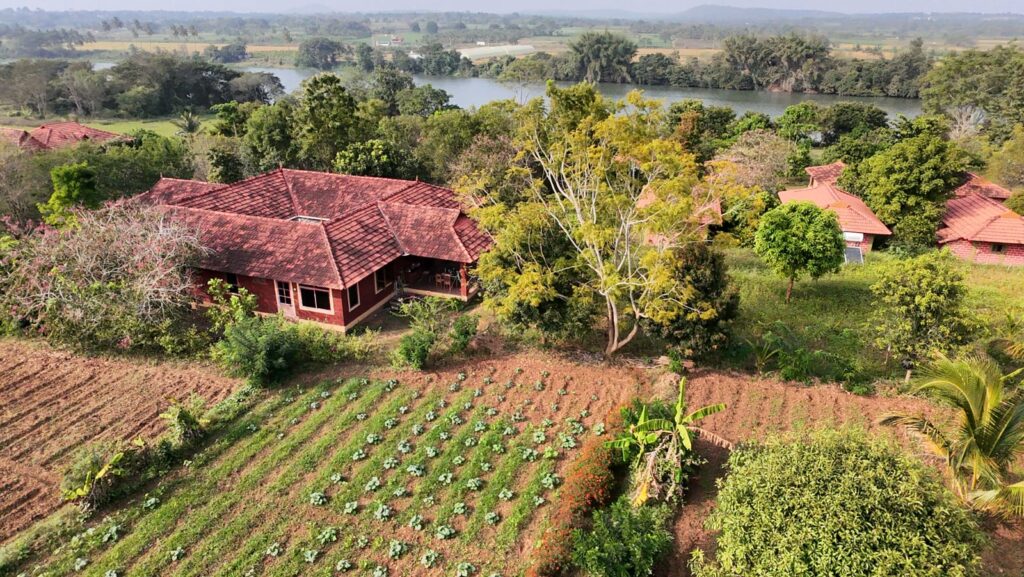
The planet is your home, and its health shows up in yours, in your local air, water, and soil.
One swap, one plant-based dinner a week, it moves the numbers above faster than you’d expect. Every choice counts!
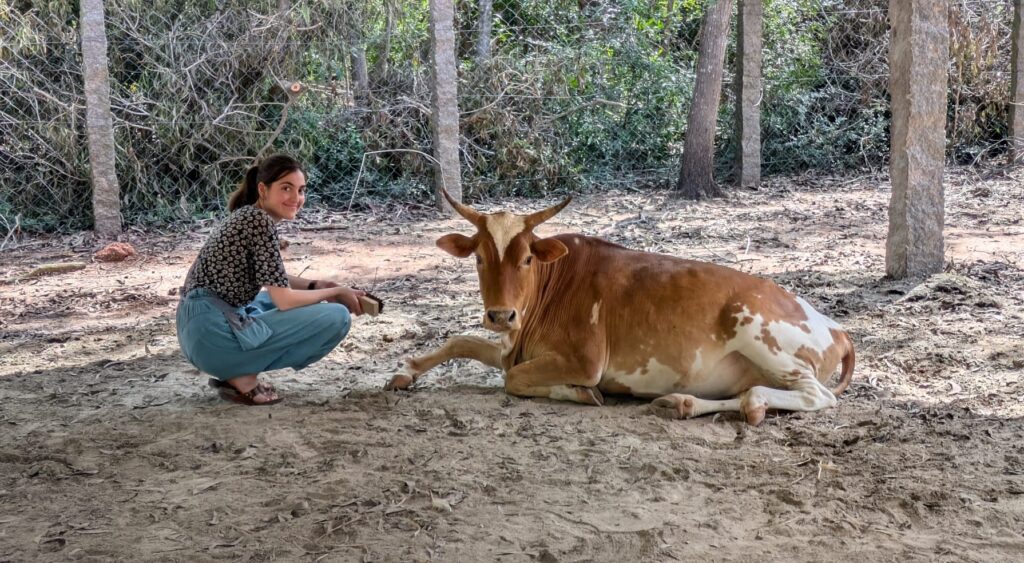
Choosing more plant-based meals also touches something less talked about: the systems those animals, and the wildlife around them, are part of.
It’s not only about the animals, either. Slaughterhouse work is linked to notably high rates of injury and PTSD among workers, a side of the system that rarely comes up in conversations about food ethics. Eating a bit more plant-based, at scale, eases pressure on a system that’s hard on animals, wildlife, and people alike. Watch Dominion to find out more about the food industry.
The health, ethical, and environmental implications of plant-based eating have been extensively studied, yet the evidence is not entirely unequivocal. As is often the case in nutrition science, conclusions are based on the overall weight of evidence rather than absolute certainty. Despite this complexity, the available research consistently indicates that increasing the proportion of plant-based foods in the diet, even modestly, is associated with a range of positive outcomes.
The motivation for making this dietary shift may vary, including improving health, reducing environmental impacts, addressing concerns about animal welfare, or lowering food costs. Regardless of the reason, a more plant-based dietary pattern offers potential benefits that extend beyond the individual by contributing to healthier populations, more sustainable food systems, and reduced environmental pressures.
Overall, even small shifts toward a more plant-based diet represent a practical, accessible, and evidence-based step with the potential to benefit both people and the wider world. What do you choose to do?
Colorectal cancer is one of the most common cancers worldwide, and one of the most preventable. This piece breaks…
One of the first recipes I recommend as a dietitian: a one-pot red lentil chilli that's naturally high in…
What is yoga? And how is yoga different from regular exercise? An overview of yoga's eight limbs, asana, pranayama,…

We use cookies to improve your experience on our site. By using this site, you consent to cookies.
Manage your cookie preferences below:
Essential cookies enable basic functions and are necessary for the proper function of the website.
These cookies are needed for adding comments on this website.
Statistics cookies collect information anonymously. This information helps us understand how visitors use our website.
Google Analytics is a powerful tool that tracks and analyzes website traffic for informed marketing decisions.
Service URL: policies.google.com (opens in a new window)
You can find more information in our Cookie Policy and Privacy Policy.